
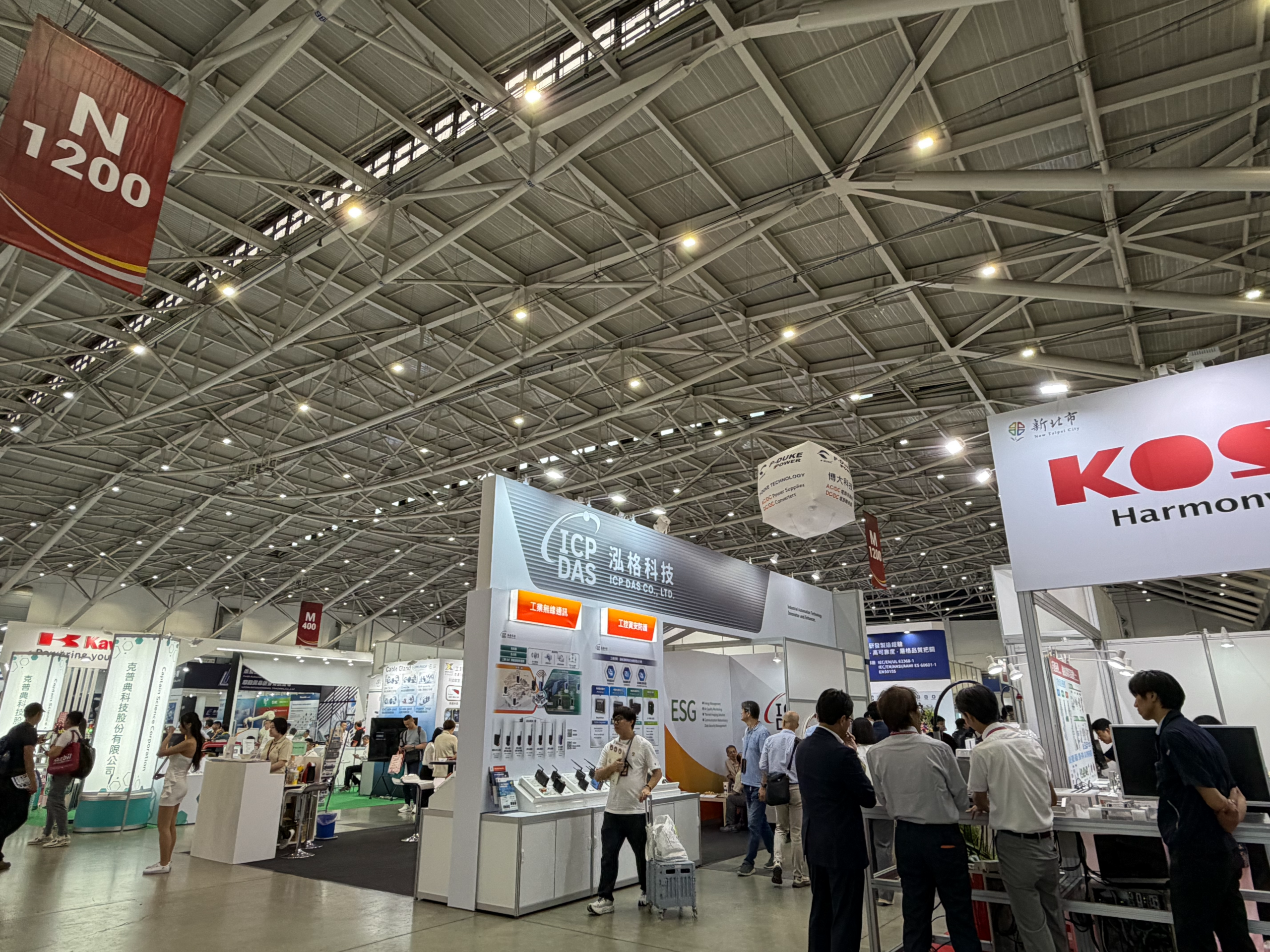
A Day at Taipei Automation 2026
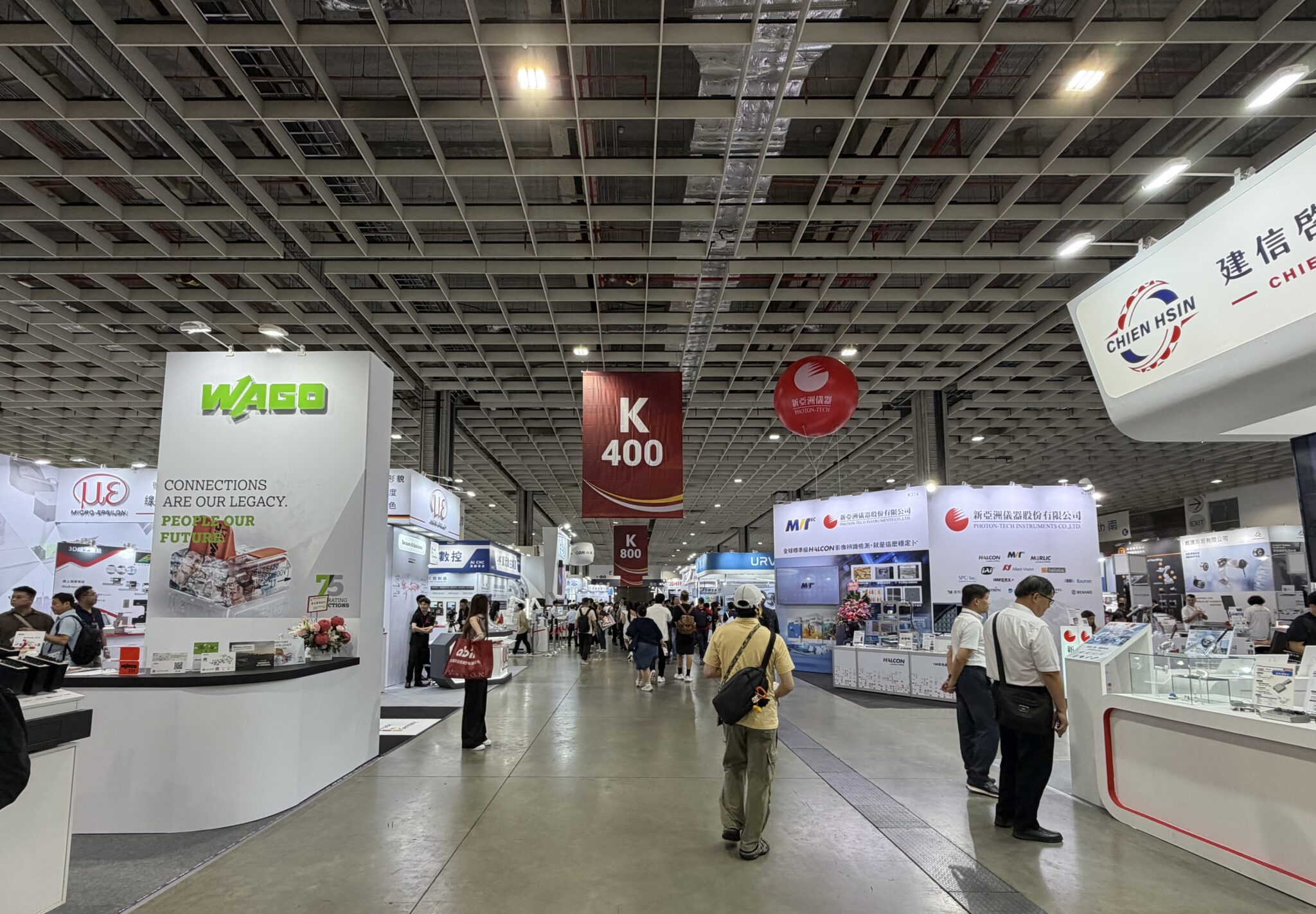
We spent a day walking the busy aisles of Taipei International Industrial Automation Exhibition 2026, held August 19 to 22 at Nangang Exhibition Center. It’s undeniably one of the region’s largest gatherings for automation, robotics, and smart manufacturing technology. Every year it gives us a clearer read on where the industry is actually headed, not just where it says it’s headed.
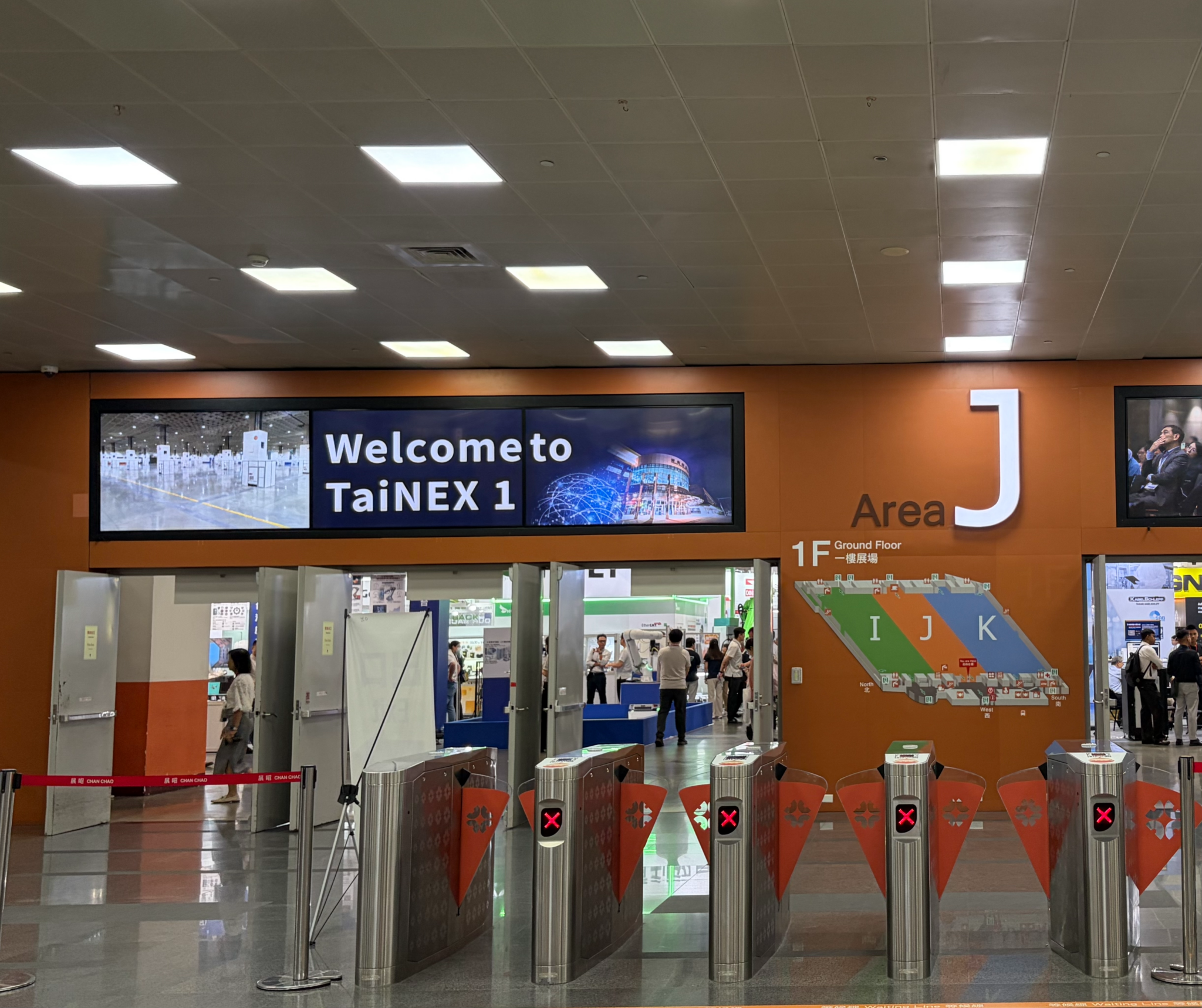
人機協作.AI賦能: This Year’s Theme
Human-machine collaboration. AI empowerment. It clearly reflected where our industry is heading. The conversation has shifted away from purely dark factories toward people working alongside intelligent systems.
Physical AI, and the Gap Between Demo and Deployment
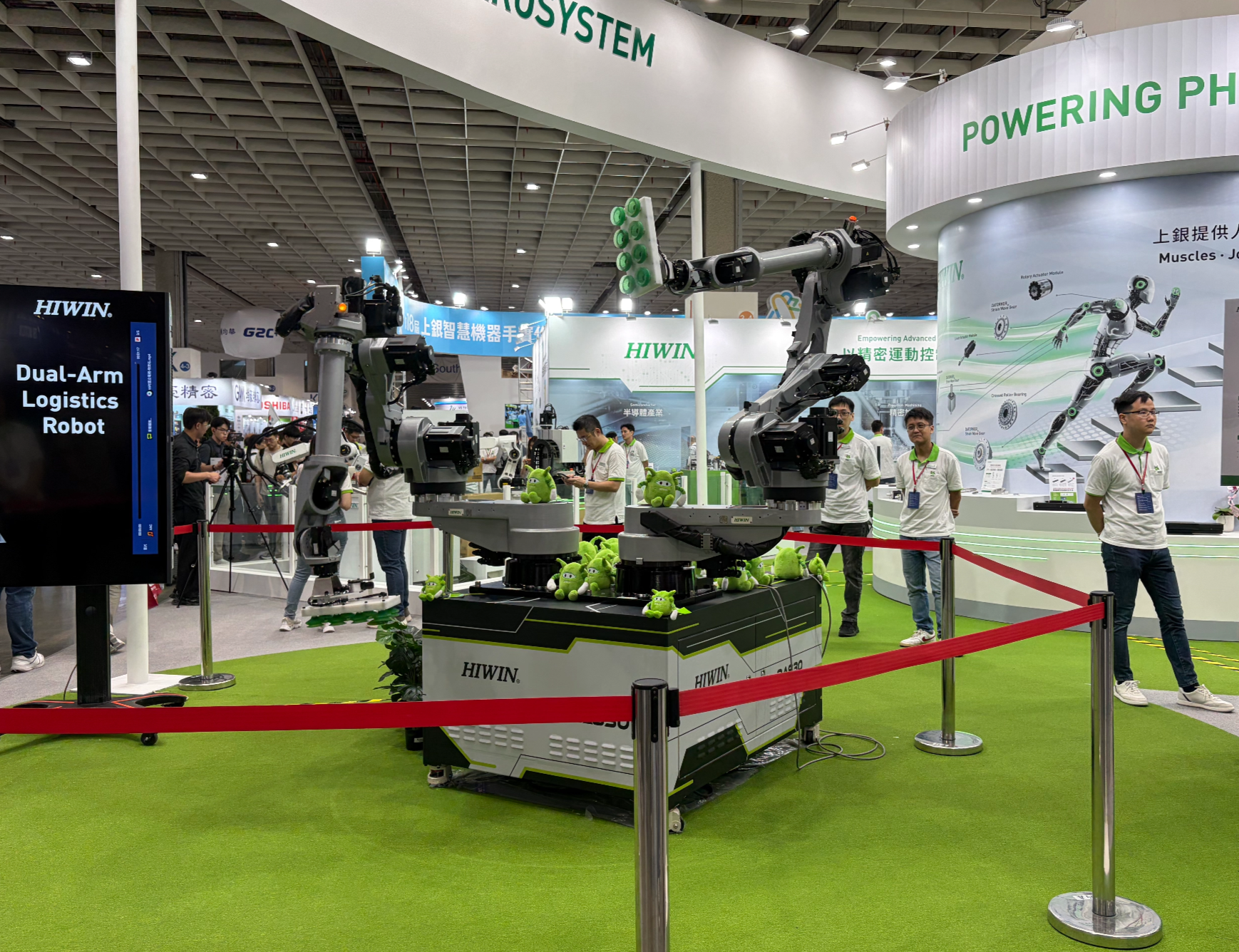
Physical AI owned the headlines. Humanoids, robot dogs, arms that “see”, they were everywhere. It was easy to be inspired. But the further we walked, the clearer a quieted truth became: a working demo and a working factory are two very different things. We heard this again and again from exhibitors themselves, and were still figuring out how to make it survive under harsh factories conditions. The next real competition, we think, won’t be who can demo AI. It’ll be who can deploy, and scale it.
Sensors and the OT Layer Underneath
We also noticed how much sensor fusion has matured. Cameras, 3D, LiDAR, and thermal, increasingly working together rather than as separate systems. And underneath all the talk of agents and robots, a more foundational point kept surfacing: none of it works without the OT layer, the PLCs, MES, and sensor data, being properly connected first. AI can only close the loop if the floor beneath it already speaks the same language.
When “AI Vision” Becomes Common Vocabulary
“AI vision” itself has become common vocabulary this year. It means the category has matured. Which also means the differentiation has moved. Now we distinguish this “AI vision” term by looking in the outcome: catching escapes before they happen, seeing what’s really happening on the line, or knowing the true cycle time.
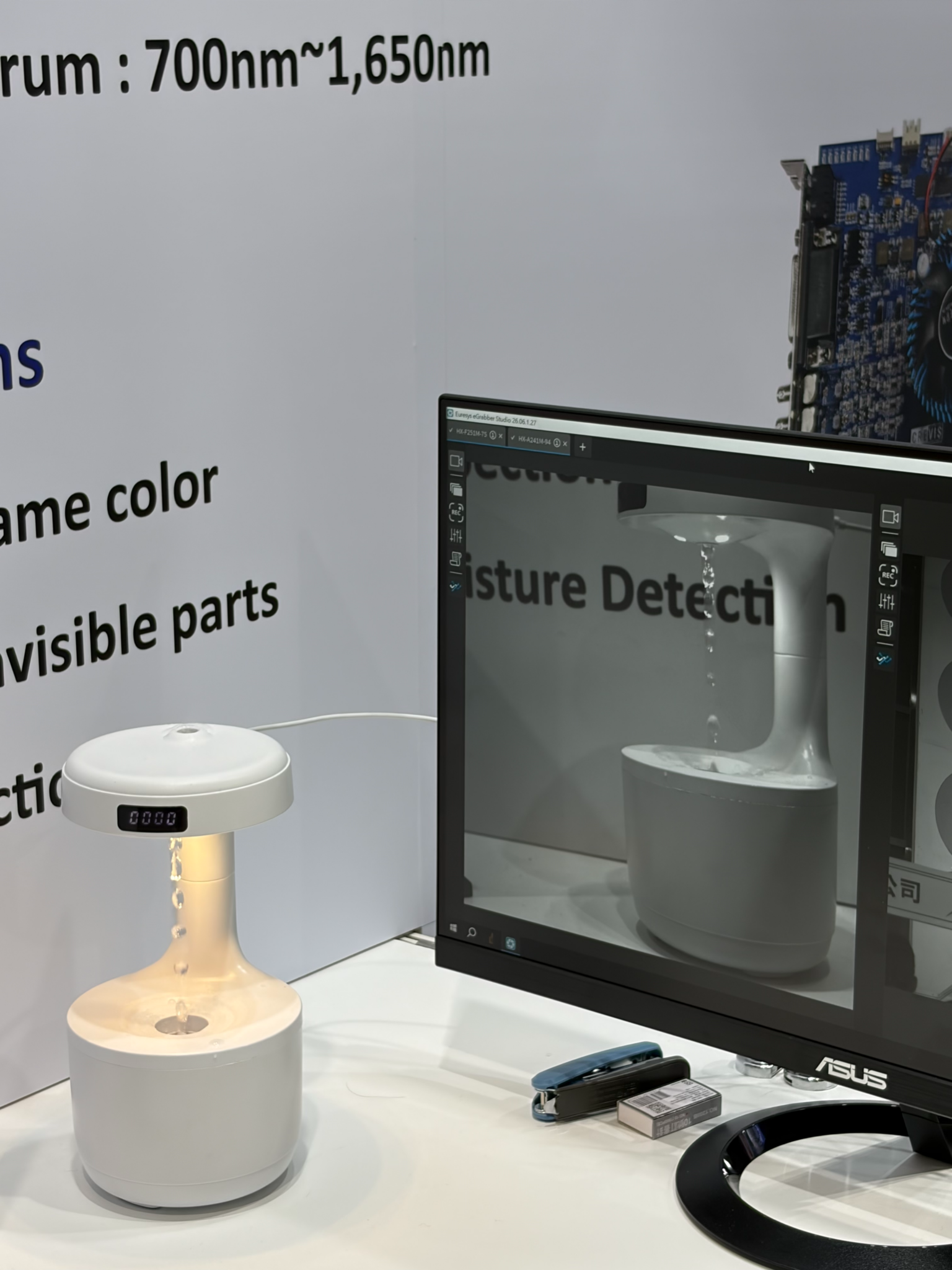
More vendors are also leaning into ecosystem partnerships now, pairing hardware, software, and AI rather than selling standalone products. It’s a fair reflection of how factory problems actually get solved. Rarely by one company, or one product, alone.
Walking Off the Floor
One question followed us out the door: As machine data and product data keep piling up, is human-operation data the missing third piece?
We don’t have a tidy answer yet. But it’s the question we’ll be sitting with for a while.
Further reading:
Table of Contents